
|
Sweeping Employee Training and Management |
Minimizing Holiday Stress and Enhancing Safety in 2025: A Practical Guide for Power Sweeping FirmsA cohesive approach to holiday planning that protects people, improves service reliability, and aligns with modern workplace expectations.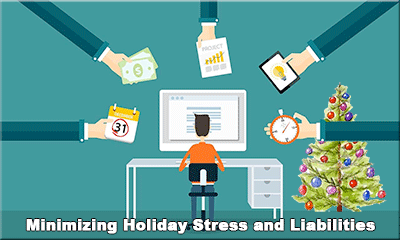
by Ranger Kidwell-Ross Updated for 2025 The holiday season remains one of the most demanding periods for management and field crews in street-sweeping operations. In 2025, organizations face a shifting landscape of inclusive policies, wellness needs, and heightened safety expectations, all while peak workloads threaten to strain schedules and budgets. The goal is to harmonize operational excellence with care for staff, customers, and communities. Good planning starts long before the first snowflake. It requires clear expectations, documented procedures, and a mindset that safety and well-being sit at the center of every decision—especially when deadlines tighten and routes become more congested. Strategic planning for 2025Effective holiday planning hinges on understanding demand, clarifying policy, and communicating with every member of the team. In 2025, plans should reflect inclusive policies, transparent incentives, and robust risk management. Opportunities for a smoother season include mapping routes with the highest volume, building weather and illness contingencies into staffing, and ensuring that all policy updates are accessible and easy to understand for frontline staff and supervisors alike. Bonuses and recognition should reinforce teamwork and social responsibility. Prosocial rewards—where a portion of incentives supports charities or community projects—can foster collaboration and goodwill while aligning with company values. Policies and communicationsPolicies governing holiday conduct, gatherings, and bonuses should be explicit, respectful of diverse backgrounds, and aligned with current health and safety guidance. A formal incident-reporting framework—covering near-misses, safety incidents, and operational disruptions—helps capture lessons and prevent recurrence. Communication remains essential. Provide a concise 2025 holiday-planning guide that explains scheduling norms, safety reminders, escalation routes, and contact points for urgent questions. An end-of-year debrief can reveal bottlenecks and drive continual improvement into the next season. Managing stress and well-beingWell-being sustains performance. In 2025, the focus includes regular check-ins, access to support resources, and supervisor training to recognize burnout signs. Encourage micro-breaks, adequate rest periods, and flexible scheduling where feasible—especially for night shifts or days with heavy route density. Scheduling transparency reduces anxiety. Publish rosters well in advance, offer flexible options, and consider transportation support or sober-friendly event planning to reduce uncertainties and safety risks during the holidays. Safety and complianceHoliday safety priorities include heightened traffic awareness, high-visibility gear, and contingency planning for weather-related disruptions. Ensure equipment readiness, PPE availability, and cold-weather protections to keep crews safe on frequent late-year deployments. Liability reduction relies on documented policies, pre-shift risk assessments, and clear incident reporting. Accessibility matters—safety communications should be understandable to all crew members, including translations if needed, and aligned with local requirements. Regulatory considerations should be reviewed regularly. Verify that all operators are trained to current standards for power sweeping vehicles and that training records stay current through year-end cycles. Events, parties, and gatheringsDifferentiate between internal staff celebrations and client-facing events. For staff-focused occasions, emphasize inclusivity, safe transportation, and non-alcohol-centric activities. For client events, implement formal safety plans and compliance with local guidelines and ordinances. Transportation and inclusivity matter. Provide or subsidize safe transport options, and ensure accommodations for staff with accessibility needs. When giving gifts, aim for fairness and alignment with corporate values; consider charitable donations in lieu of or in addition to physical gifts where appropriate. Bonuses and recognition in 2025Prosocial recognition models can increase morale and teamwork. Consider earmarking part of incentive programs for charitable giving or team-based community actions, with clear mechanisms for employee input and accountability. Peer recognition remains valuable. A transparent nomination process that highlights collective achievements helps reinforce collaboration and shared success across crews and routes. Templates and resourcesProvide ready-to-use materials that support a smooth holiday season:
Ideally, you might develop a concise 'trends brief for 2025,' focused on event budgeting, safety emphasis, and wellness initiatives relevant to power sweeping operations. |
 © 2005 - 2025 World Sweeper
|
Back to Sweeping Employee Training and ManagementSite Map / Table of Contents |